
“`html
Egeria Densa: The Comprehensive Guide
Egeria Densa: The Comprehensive Guide
Egeria densa, also known as Brazilian waterweed, is a popular freshwater aquatic plant renowned for its rapid growth and ability to oxygenate water. Its versatility and ease of care make it a staple in aquariums and ponds worldwide. This comprehensive guide explores all aspects of Egeria densa, from its botanical characteristics and cultivation to its ecological significance and potential uses.
Botanical Characteristics
Egeria densa belongs to the Hydrocharitaceae family, a group of submerged aquatic plants. It is characterized by its long, slender stems that can grow several meters in length. The leaves are arranged in whorls of four to six, giving the plant a bushy appearance. Each leaf is narrow, linear, and typically bright green, though variations in color can occur depending on environmental conditions. The plant produces small, white flowers when it reaches the water’s surface, though flowering is relatively infrequent in aquarium settings.
Stem and Leaves
The stems of Egeria densa are flexible and can root at the nodes, allowing the plant to spread horizontally. The leaves are soft and delicate, contributing to the plant’s overall feathery texture. This morphology allows for efficient nutrient uptake and gas exchange, vital for submerged aquatic plants.
Roots
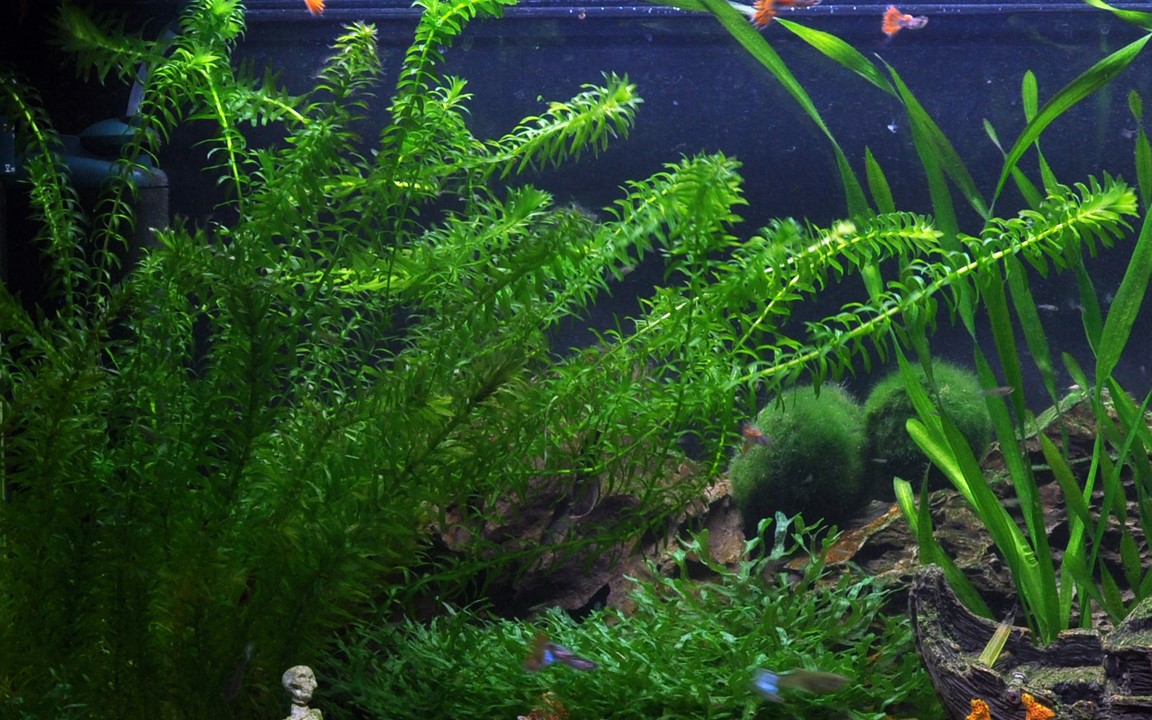
Image Source: tropica.com
While Egeria densa can root in the substrate, it often floats freely. The roots, when present, serve primarily to anchor the plant and absorb nutrients. However, the plant can thrive without them, absorbing nutrients directly from the water column.
Flowers
The flowers of Egeria densa are small and white, typically with three petals. They emerge on short pedicels when the plant reaches the water surface. Flowering is more common in outdoor ponds or natural habitats where seasonal changes stimulate reproductive activity.
Cultivation and Care
Egeria densa is remarkably easy to cultivate, making it an excellent choice for beginner aquarists. Its adaptability to various water conditions and minimal care requirements contribute to its popularity.
Water Parameters
Egeria densa tolerates a wide range of water parameters. It thrives in temperatures between 15°C and 26°C (59°F and 79°F), with a pH range of 6.0 to 8.0. It can adapt to varying water hardness levels, though it prefers moderately hard water.
Lighting
Adequate lighting is crucial for the healthy growth of Egeria densa. Moderate to high lighting conditions are recommended to prevent the plant from becoming leggy and to maintain its vibrant green color. Insufficient light can lead to stunted growth and yellowing leaves.
Substrate and Nutrients
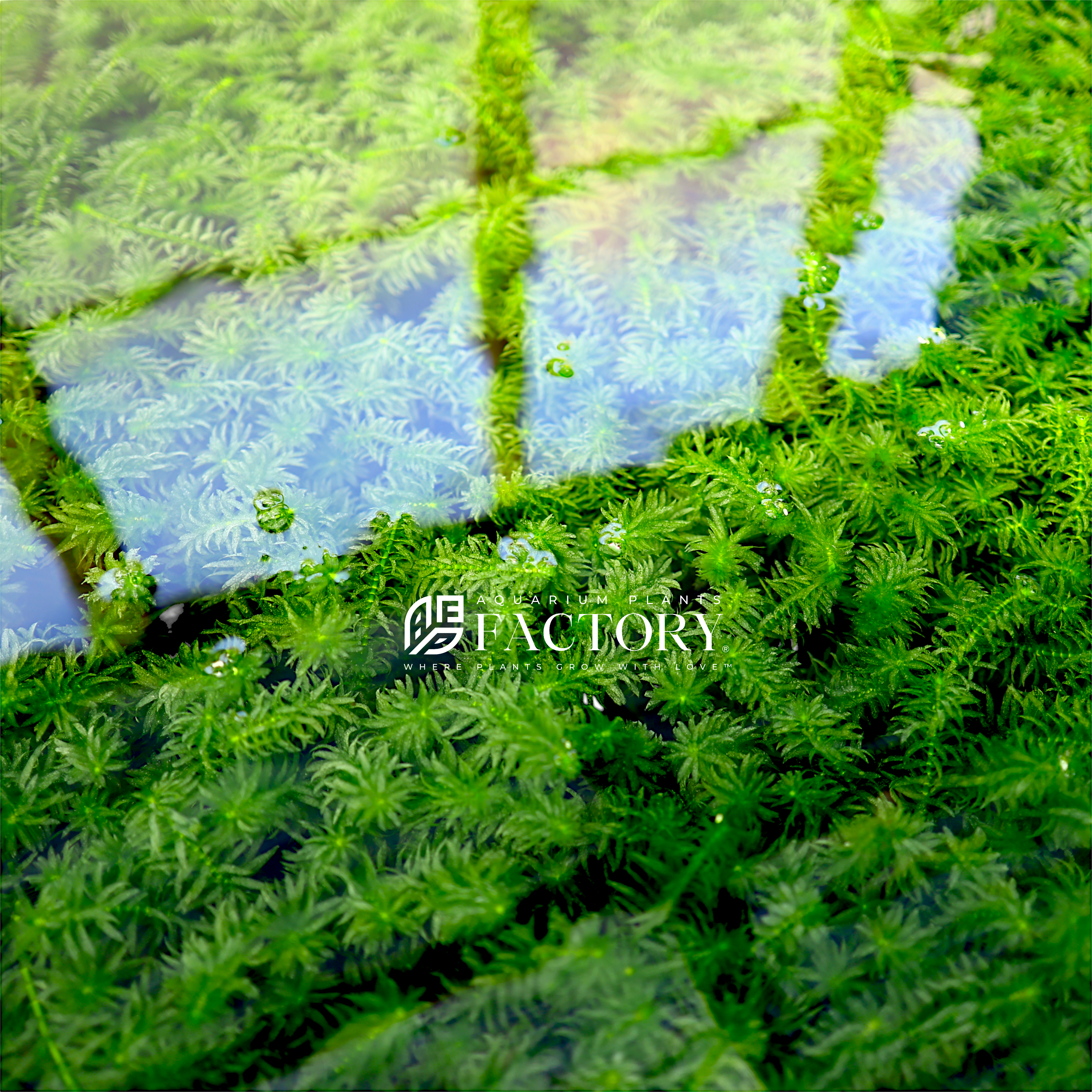
Image Source: aquariumplantsfactory.com
While Egeria densa can be planted in the substrate, it is not essential. It can absorb nutrients from the water column, making it suitable for aquariums with minimal substrate. However, a nutrient-rich substrate can promote more robust growth. Liquid fertilizers and root tabs can supplement nutrient availability, especially in heavily planted tanks.
Propagation
Egeria densa is easily propagated through stem cuttings. Simply cutting a portion of the stem and planting it in the substrate or allowing it to float will result in new growth. This rapid propagation makes it an efficient way to fill an aquarium with greenery.
Maintenance
Regular pruning is essential to prevent Egeria densa from overgrowing and shading other plants. Trimming the stems encourages bushy growth and maintains the plant’s aesthetic appeal. Removing dead or decaying leaves is also crucial to prevent water quality issues.
Ecological Significance
Egeria densa plays a vital role in aquatic ecosystems. Its rapid growth and oxygen production contribute to maintaining water quality and supporting aquatic life.
Oxygenation
One of the primary benefits of Egeria densa is its ability to oxygenate water. Through photosynthesis, it releases oxygen into the water column, creating a healthy environment for fish and other aquatic organisms. This oxygenation helps prevent anaerobic conditions and promotes the breakdown of organic matter.
Nutrient Uptake

Image Source: squarespace-cdn.com
Egeria densa efficiently absorbs excess nutrients from the water, such as nitrates and phosphates. This nutrient uptake helps prevent algae blooms and maintains water clarity. It acts as a natural filter, contributing to a balanced aquatic ecosystem.
Habitat Provision
The dense foliage of Egeria densa provides shelter and breeding grounds for fish and invertebrates. It offers protection from predators and creates a suitable environment for spawning. This habitat provision is crucial for maintaining biodiversity in aquatic ecosystems.
Water Purification
By removing pollutants and excess nutrients, Egeria densa contributes to water purification. It helps maintain a healthy balance of chemicals in the water, reducing the need for frequent water changes in aquariums.
Potential Uses
Beyond its aesthetic appeal and ecological benefits, Egeria densa has several practical applications.
Aquarium Plant
As mentioned earlier, Egeria densa is a popular aquarium plant due to its ease of care and rapid growth. It adds a lush, green appearance to aquariums and provides essential oxygenation and habitat for aquatic life.
Pond Plant
In outdoor ponds, Egeria densa helps maintain water quality and provides shelter for fish and other aquatic animals. Its ability to absorb nutrients makes it valuable in preventing algae blooms and maintaining a balanced ecosystem.
Water Treatment
Egeria densa has been studied for its potential use in wastewater treatment. Its ability to remove pollutants and excess nutrients makes it a promising candidate for phytoremediation, a process that uses plants to clean contaminated water.
Scientific Research
Egeria densa is often used in scientific research to study aquatic plant physiology, nutrient cycling, and water quality. Its rapid growth and adaptability make it a valuable model organism.
Potential Issues and Considerations
While Egeria densa is generally beneficial, some potential issues and considerations should be noted.
Rapid Growth
Its rapid growth can lead to overgrowth in aquariums and ponds, requiring regular pruning to prevent it from shading other plants and disrupting the ecosystem. In natural environments, it can sometimes become invasive.
Invasive Potential
In some regions, Egeria densa is considered an invasive species. Its ability to rapidly propagate and outcompete native plants can disrupt local ecosystems. It is crucial to manage its growth and prevent its spread to non-native habitats.
Water Quality Changes
While Egeria densa improves water quality by absorbing nutrients, its decay can release organic matter and potentially deplete oxygen levels if not managed correctly. Regular removal of dead plant material is essential.
Herbicide Sensitivity
Egeria densa is sensitive to herbicides and other chemicals. Exposure to these substances can damage or kill the plant, impacting water quality and aquatic life. It is crucial to avoid using harmful chemicals in aquariums and ponds.
Conclusion
Egeria densa is a versatile and valuable aquatic plant that offers numerous benefits to aquariums and aquatic ecosystems. Its ease of care, rapid growth, and ability to oxygenate and purify water make it a popular choice for aquarists and pond keepers. While it is essential to manage its growth and prevent its spread to non-native habitats, its ecological significance and potential uses make it a crucial component of healthy aquatic environments.
“`
egeria densa